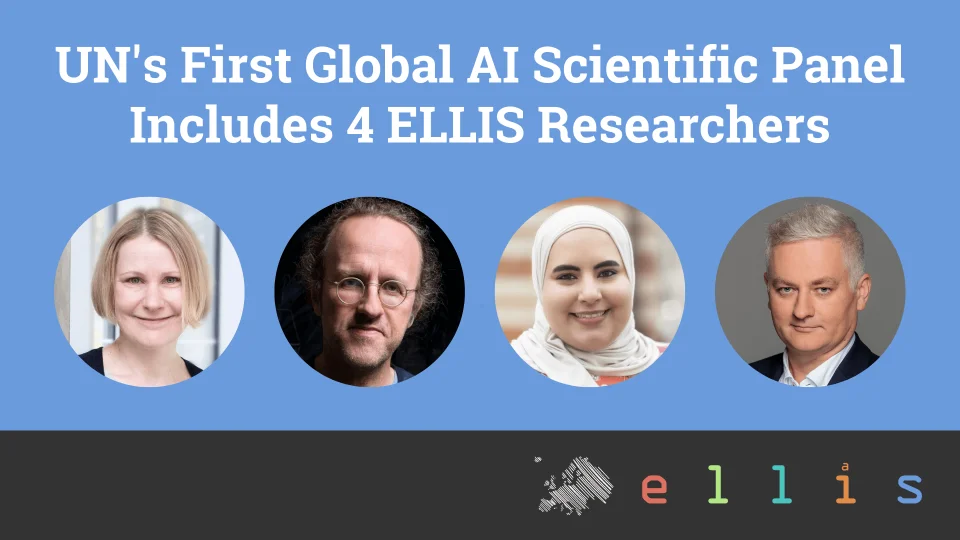
UN's First Global AI Scientific Panel Includes 4 ELLIS Researchers
On August 26, 2025, the United Nations General Assembly took a historic step in global AI governance by establishing the Independent International Scientific Panel on Artificial Intelligence through Resolution A/RES/79/325. This marks the creation of the first international scientific body dedicated to assessing how artificial intelligence is transforming societies worldwide.
The panel comprises 40 members representing all five UN regions, drawn from diverse backgrounds including academia, the private sector, civil society, government, and international organisations. Notably, among these distinguished experts are fourELLIS Members, giving Europe's leading AI research community the opportunity to contribute its scientific perspective to global deliberations.

Anna Korhonen (ELLIS Fellow, University of Cambridge 🇬🇧)
Representing Finland
Anna Korhonen is Professor and Director of the Centre for Human-Inspired Artificial Intelligence at the University of Cambridge, leading research in language AI, human-centric AI, and AI for sustainable development.
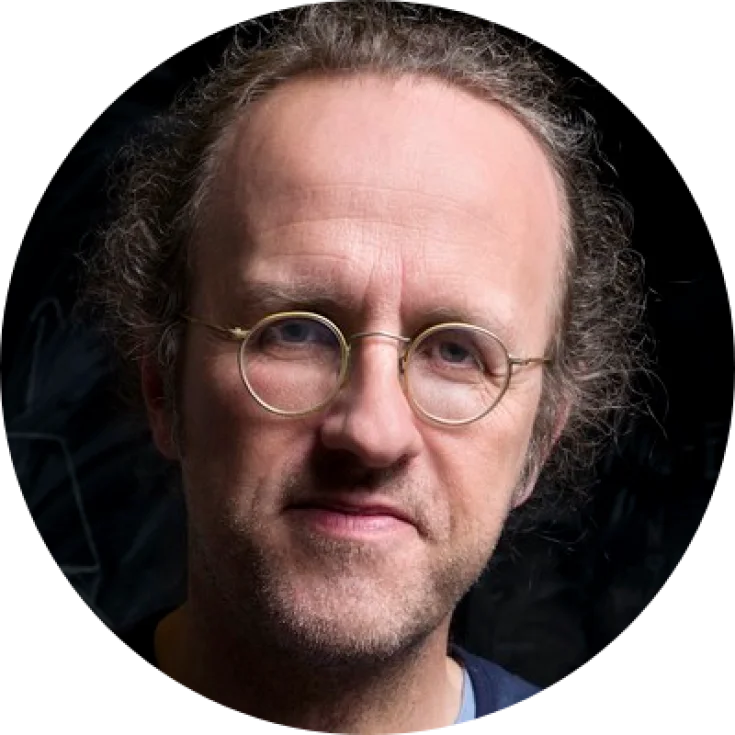
Bernhard Schölkopf (ELLIS Co-Founder & Fellow, Max Planck Institute for Intelligent Systems & ELLIS Institute Tübingen 🇩🇪)
Representing Germany
Bernhard Schölkopf studies machine learning and causal inference. He helped found the Max Planck Institute for Intelligent Systems and the ELLIS society, and is a professor at ETH Zurich.

Mennatallah El-Assady (ELLIS Scholar, ETH Zurich🇨🇭)
Representing Egypt
Mennatallah El-Assady is an Assistant Professor in the Department of Computer Science at ETH Zürich, where she leads the Interactive Visualization and Intelligence Augmentation (IVIA) lab.
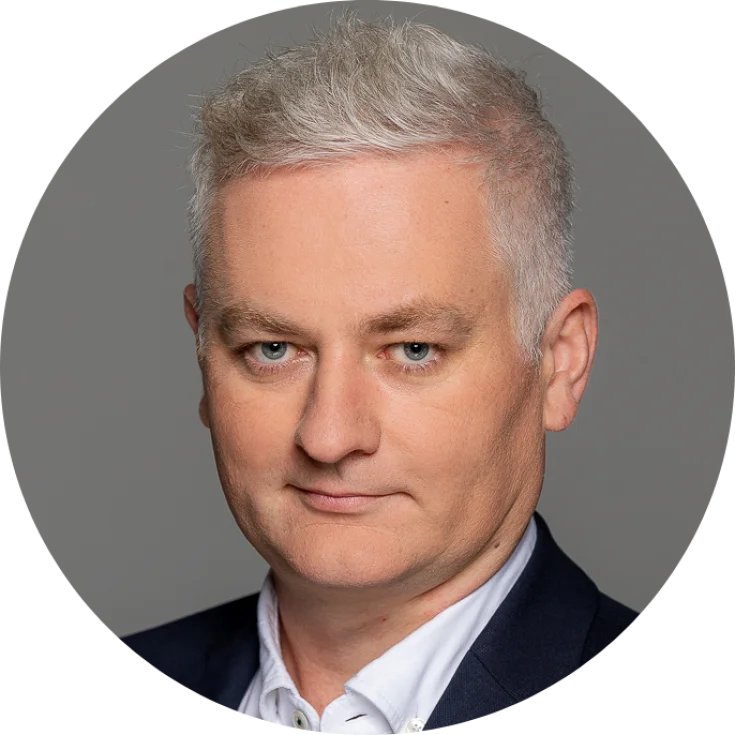
Piotr Sankowski (ELLIS Fellow, University of Warsaw & IDEAS Research Institute 🇵🇱)
Representing Poland
Piotr Sankowski, a UW professor and four-time ERC grantee, directs the IDEAS Research Institute. He co-founded MIM Solutions and specializes in algorithms and AI.
The panel's establishment responds to growing recognition that AI policy decisions require authoritative, evidence-based guidance. Similar to the Intergovernmental Panel on Climate Change (IPCC), which has provided scientific consensus on climate issues since 1988, this new body aims to offer reliable, unbiased assessments of AI's capabilities, risks, and societal impacts at a time when such understanding has never been more critical. The initiative stems from commitments made in the Global Digital Compact, adopted at the UN's Summit of the Future in September 2024.
On February 4, 2026, following a rigorous selection process that drew over 2,600 applications, UN Secretary-General António Guterres announced the appointment of the panel's 40 members. Speaking at UN Headquarters in New York, he emphasized the panel's importance: "It will provide an authoritative reference point at a moment when reliable, unbiased understanding of AI has never been more critical." He stressed the need for "a scientific entity that is independent, that is reliable, that doesn't serve the interests of any country, able to say exactly what is the state of the art of the applications of AI."
Panel members bring expertise spanning machine learning, data governance, public health, cybersecurity, childhood development, and human rights—reflecting AI's far-reaching implications across domains. As ELLIS-affiliated researchers lend their expertise to shape international understanding of AI, they carry forward ELLIS's mission of advancing AI research while ensuring its benefits reach society broadly. The panel represents an important forum where scientific rigor can inform policy decisions that affect humanity on a global scale.
The panel will deliver its assessments to UN member states and the global public, meaning ELLIS-affiliated researchers' scientific analyses will directly inform policy decisions affecting billions of people across diverse societies and economies.
Sources:
UN General Assembly Resolution A/RES/79/325: https://docs.un.org/en/A/RES/79/325
Independent International Scientific Panel on AI (official website): https://www.un.org/independent-international-scientific-panel-ai/en
UN Secretary-General António Guterres, Press Conference on the Independent International Scientific Panel on Artificial Intelligence, UN Headquarters, New York, February 4, 2026: https://press.un.org/en/2026/sgsm23006.doc.htm
UN Secretary-General statement on appointment of panel members, February 12, 2026: https://press.un.org/en/2026/sgsm23016.doc.htm